Ezy-Guard HD
Ezy-Guard HD
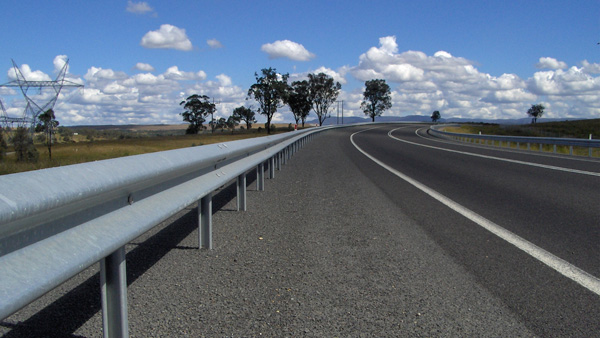
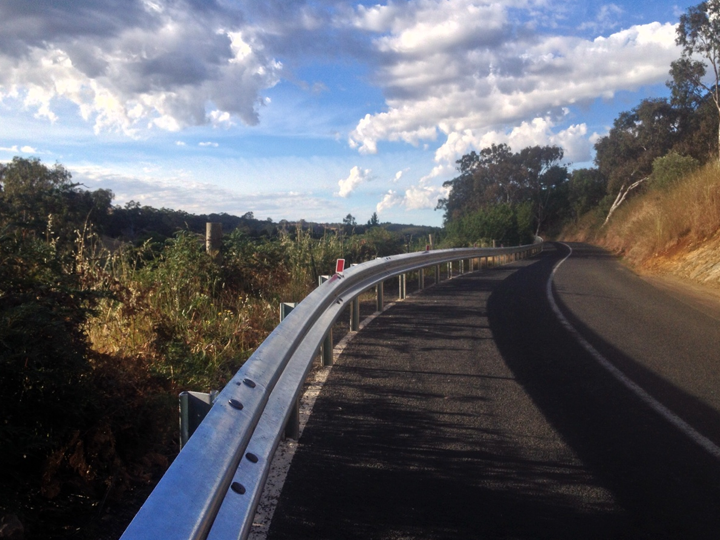
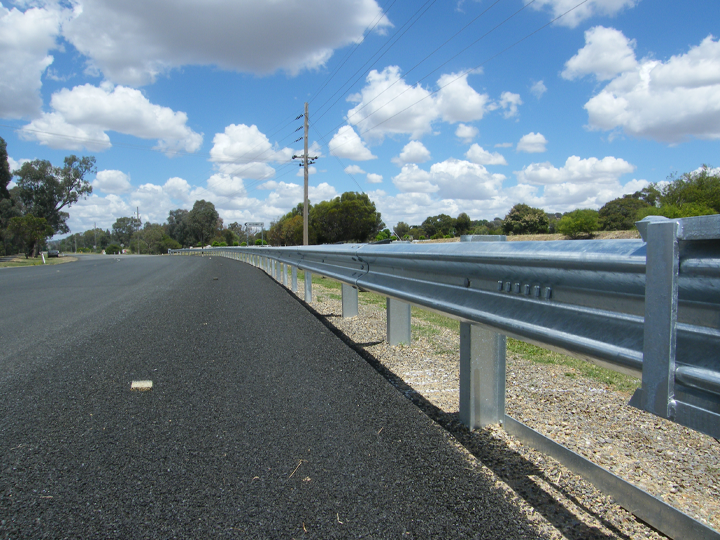
Product Information Product Information
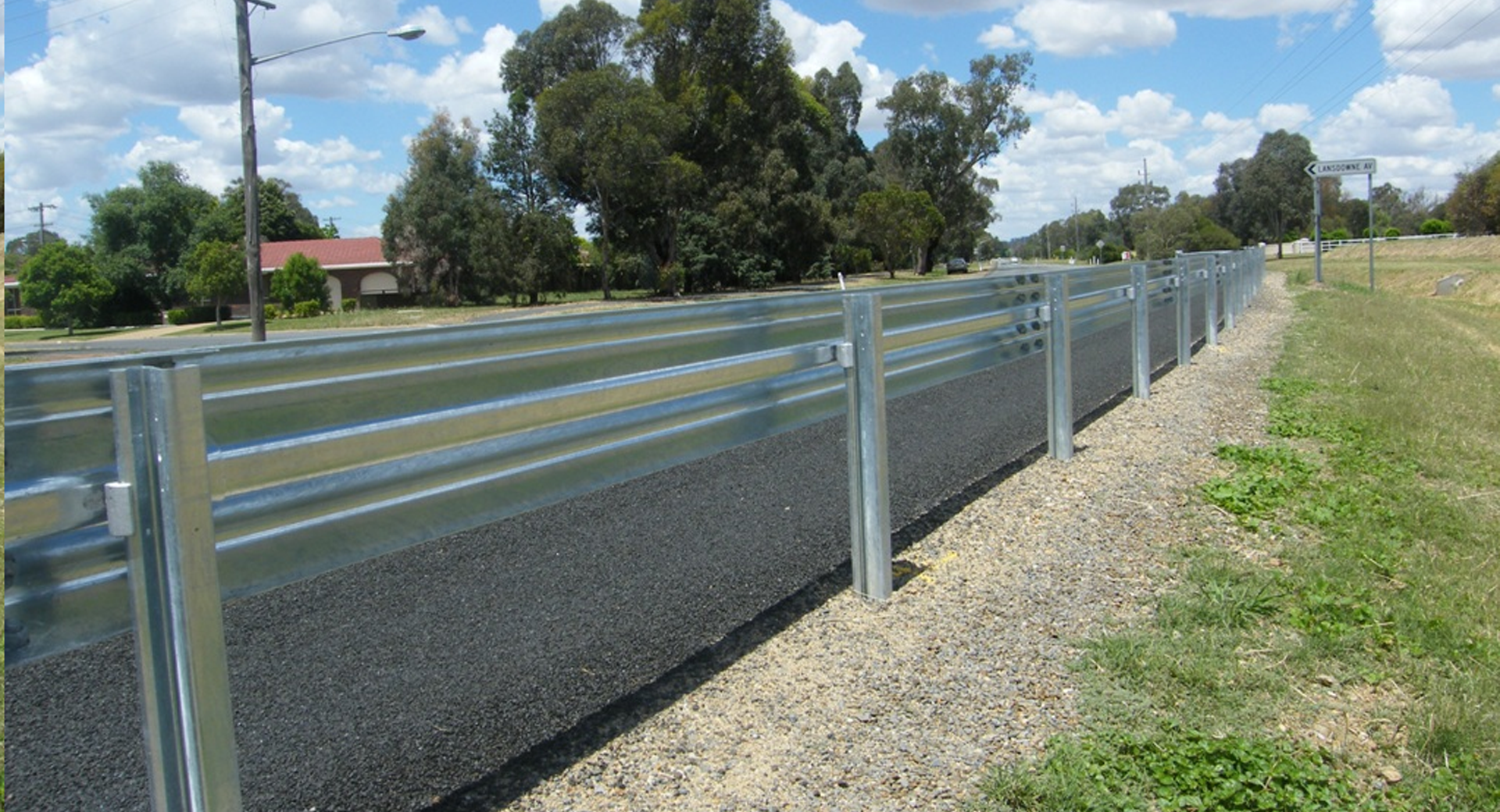
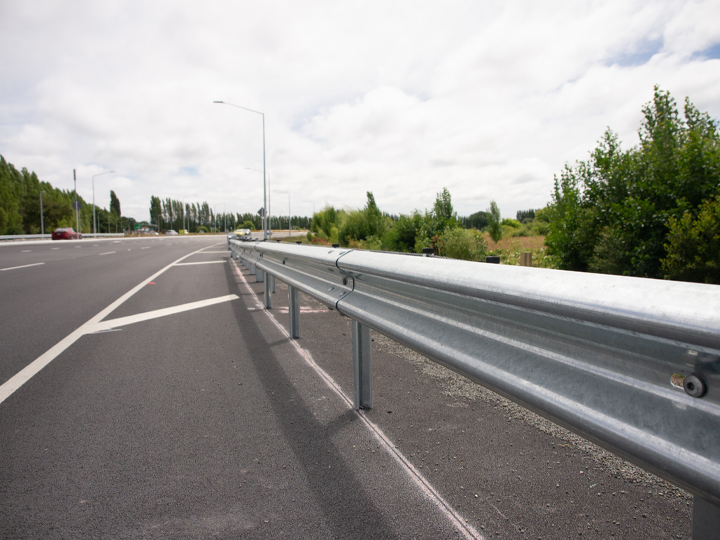
- Description DescriptionDescriptionThe Ezy-Guard HD Safety Barrier is a robust steel guardrail system designed to provide superior motorist safety with low deflection performance.Fully compliant with MASH TL3 standards, it offers enhanced protection, efficient installation, and a minimal roadside footprint. The system utilizes a unique Z-Post design that yields above ground upon impact, providing safer and more efficient redirection compared to C-Post systems while reducing occupant risk.Features FeaturesFeatures• Crash tested and approved to MASH TL3• Accepted by the Austroads Safety Barrier Assessment Panel (ASBAP)• Designed in accordance with AS/NZS 3845.1:2015 or AS/NZS 3845.2:2017 Road Safety Barrier Systems & Devices• Superior performance with only 1.28m dynamic deflection• Rounded and shielded Z-Posts improve safety for pedestrians and motorcyclists• Installation in rock or asphalt in accordance with the local authority requirements
- System Specifications System SpecificationsSystem Specifications• HD Z-Post Length:• HD Z-Post Mass:• Ezy-Guard HD System Mass:• Rail Height Above Ground:• Z-Post Height Above Ground:• Post Spacing:• Ezy-Guard HD System Width:• HD Z-Post Profile:• MASH TL3 Crash Test Deflection:1800mm17.8kg21.3kg per metre790mm780mm2000mm245mm140mm x 60mm1.28mEnd Treatments End TreatmentsTransitions TransitionsAttachments AttachmentsAttachments• Ingal Motorcyclist Protection Rail (MPR) (EN1317:8 Class C60, Severity Level 1)• Post Caps for additional safety in pedestrian and cyclist areas
| Title | Type | Size | |
| Ezy-Guard Range Data Sheet v.1225 | 429 KB | Download | |
| EzyGuard HD Product manual v.1022 | 2389 KB | Download |
- How can I reduce the deflection of Ezy Guard HD on a constrained site?View
Ezy Guard HD already has lower deflection than standard guardrail, with a maximum dynamic deflection of about 1.28 m at 100 km/h with 2 m post spacing. On constrained sites, deflection can be reduced further by tightening the post spacing through the critical section. If you need help checking clearances or selecting spacing, please contact your local Ingal representative.
- What is the minimum installation length?View
For a single point hazard with one way traffic, the absolute minimum length of need for Ezy Guard HD is 12 m between terminals. For bi directional traffic, the minimum is 24 m. Any length of need provided by the terminals can be subtracted from these lengths. Where these lengths cannot be achieved, the installation should be checked against the Extended Design Domain requirements. Further guidance is available in the following document: Austroads Technical Advice SBTA 21-002 Minimum Length of Barriers
If the length you require is less than the recommended minimum, contact your local Ingal representative for project specific advice.
- Can I span past an obstruction without a post?View
Yes, in some cases. If a roadside hazard or service clash prevents a post being set at the standard 2 m spacing, it is permissible to span up to 4 m without a post. When doing this, designers should confirm that the available clearance still exceeds the expected deflection and review the layout under the relevant road authority design guidance.
- What if I have weak soil?View
Ezy Guard HD can be installed in weak soil, but the embedment depth may need to increase. In weak soil, the standard 1,030 mm embedment depth is suitable when the barrier is at least 500 mm from the rounding point on a 2:1 embankment. If installation is required within 500 mm of the rounding point, the embedment depth must increase to 1,350 mm using a longer Z post. For installations close to a batter slope, the design should also be checked against the road authority’s Extended Design Domain.


