Ezy-Guard Smart
Ezy-Guard Smart
Product Information Product Information
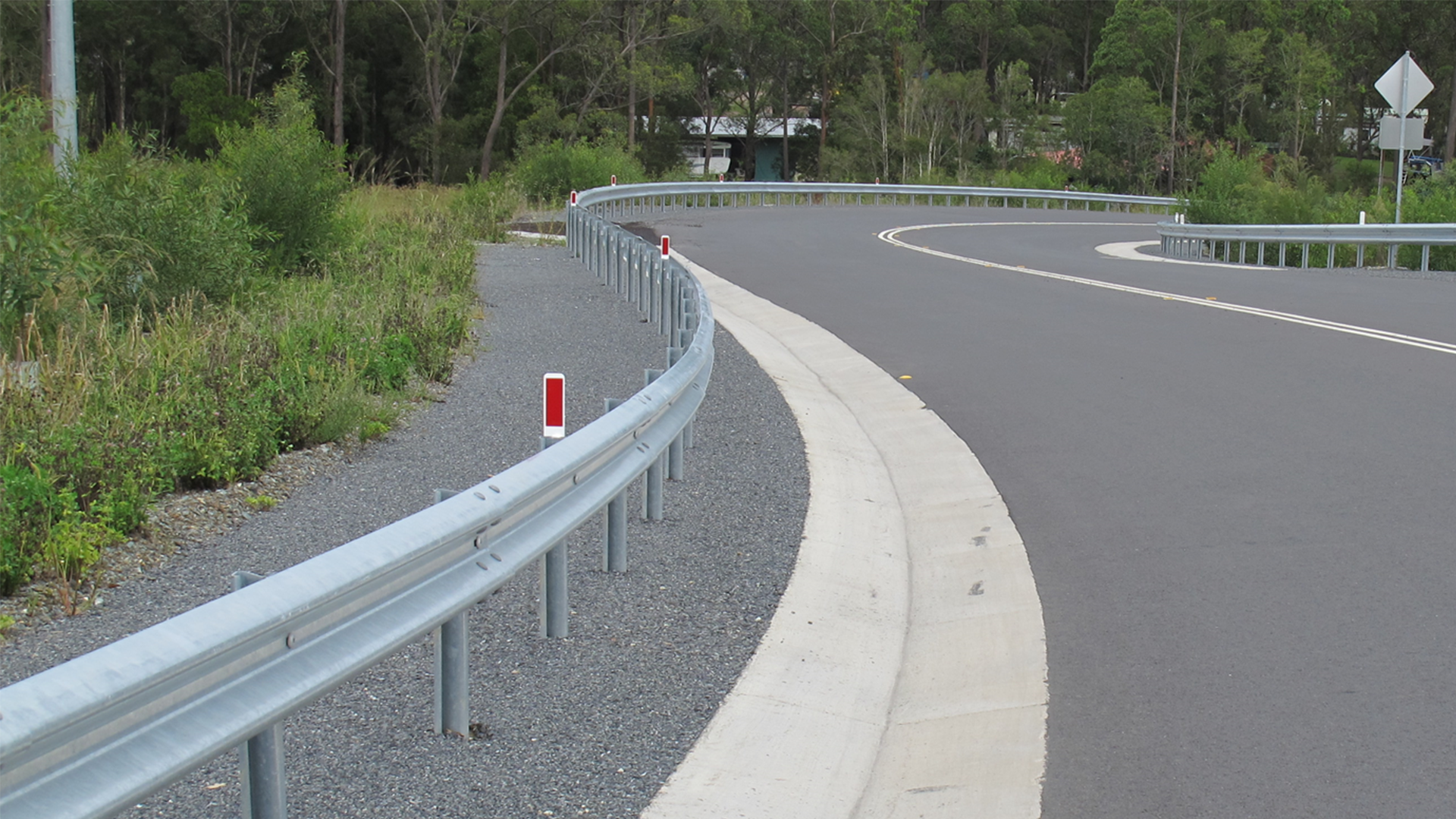
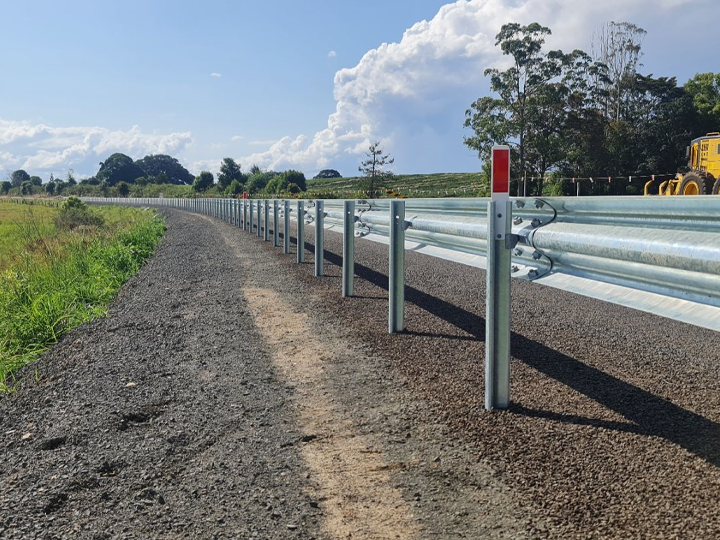
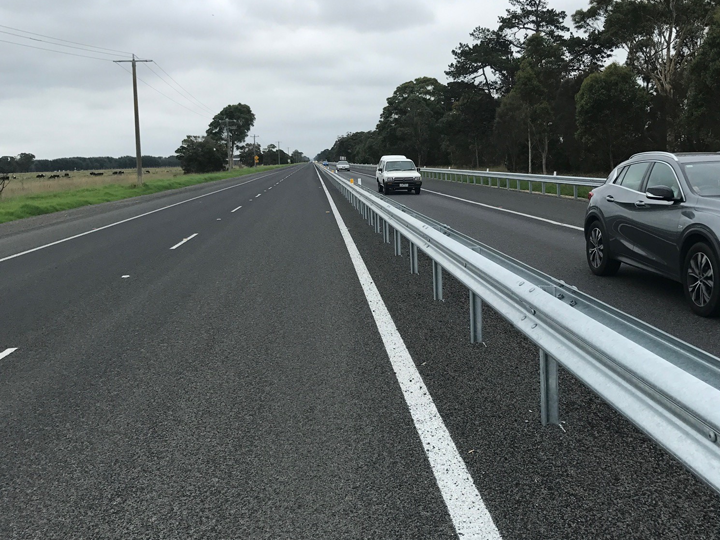
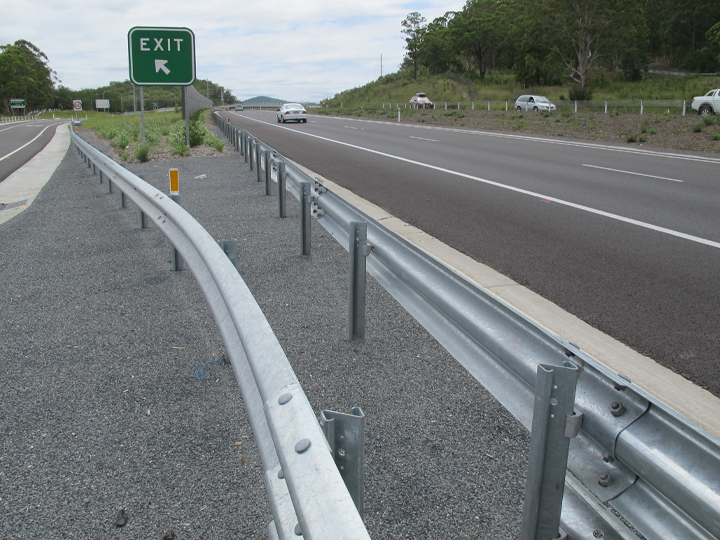
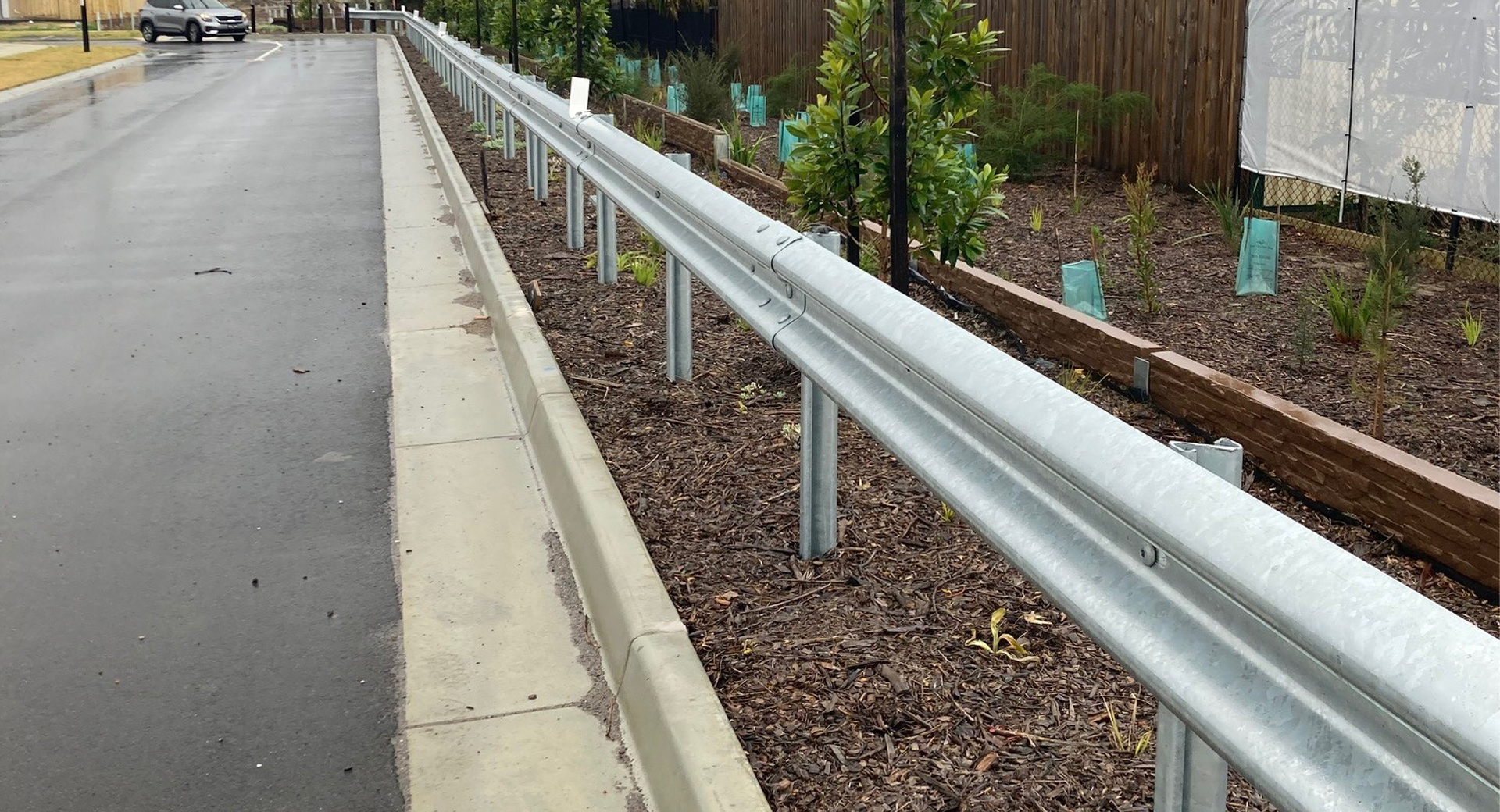
- Description DescriptionDescriptionThe Ezy-Guard Smart Safety Barrier is an advanced steel guardrail system engineered to enhance motorist safety. Fully compliant with MASH TL3 standards, it delivers superior protection, cost-effectiveness, and rapid installation.The system utilizes a proven W-Beam guardrail secured to a sliding carriage mounted on a unique Z-Post. Unlike C-Post and open-profile post designs, the Z-Post is designed to yield above ground upon impact, releasing the carriage and allowing the W-Beam rail to control and redirect errant vehicles safely and efficiently while minimizing ride-down deceleration forces.Feature FeatureFeatures• Crash tested and approved to MASH TL3• Designed in accordance with AS/NZS 3845.1:2015 or AS/NZS 3845.2:2017 Road Safety Barrier Systems & Devices• Bi-directional performance for verge and median installations• Tested on 2H:1V batter slope with extended posts• Optional Ezy-Lift carriage for overlays up to +180mm• Rounded and shielded Z-Posts improve safety for pedestrians and motorcyclists• Installation in rock, asphalt, or on concrete mowing strips in accordance with guidance
- System Specifications System SpecificationsSystem Specifications• Z-Post Length:• Z-Post Mass:• Ezy-Guard Smart System Mass:• Rail Height Above Ground:• Z-Post Height Above Ground:• Post Spacing:• Ezy-Guard Smart System Width:• Z-Post Profile:• MASH TL3 Crash Test Deflection:1600mm12.3kg18.6kg per metre730mm720mm2000mm200mm90mm x 50mm1.65mApproved Variants Approved VariantsApproved Variants• Median configuration (back-to-back) for bidirectional traffic.• Base plate installation for culverts and services• Reduced post spacing for lower deflection• Ezy-Lift carriage to restore rail height after pavement overlaysEnd Treatments End TreatmentsEnd TreatmentsTransitions TransitionsAttachments AttachmentsAttachments• Post Caps for additional safety in pedestrian and cyclist areas
| Title | Type | Size | |
| Malaysia Product Catalogue v.0824 | 9827 KB | Download |
- How can I reduce the deflection of Ezy Guard Smart on a constrained site?View
You reduce deflection by tightening the post spacing. At 100 km/h, dynamic deflection is about 1.65 metres with 2 metre post spacing and reduces to about 1.05 metres with 1 metre spacing. The reduced spacing should normally start 10 metres before the hazard and return to 2 metre spacing 10 metres after the hazard. If further reduction is required or you need guidance on spacing, please contact your local Ingal representative.
- What is the minimum installation length?View
For MASH Test Level 2, with a 2,000 kg pick up, the minimum length of Ezy Guard Smart between terminals is 12 m. For MASH Test Level 3, with a 2,270 kg pick up, the minimum length between terminals is 20 m.
- Can Ezy Guard Smart be installed near a batter hinge point?View
Yes, but installations near a batter hinge must be assessed under the road authority’s Extended Design Domain. Ezy Guard Smart has been crash tested to MASH TL3 with posts placed on the rounding point of a 2H:1V batter in standard AASHTO M147 soil. Designers should check ground conditions and any erosion and use the maximum offset to the hinge point possible. If soil support is reduced, increased post embedment may need to be considered.
- What if I have weak soil?View
Ezy Guard Smart can be installed in weak soil, but the embedment depth may need to increase. In weak soil, the standard 880 mm embedment depth is suitable when the barrier is at least 500 mm from the rounding point on a 2:1 embankment. If installation is required within 500 mm of the rounding point, the embedment depth must increase to 1,050 mm using a longer Z post. Any installation close to the hinge point or batter slope should also follow the Extended Design Domain requirements of the road authority.


